Culture Counts
Maths that starts with community: taught through culture, language and Country.
Culture Counts is a community-led mathematics initiative led by ATSIMA and funded through the BHP Foundation’s Education Development Fund.
The Project supports Aboriginal and Torres Strait Islander students at Yirrkala Bilingual School and Laynhapuy Homelands School in the Northern Territory and Purnululu School in the East Kimberley, Western Australia to learn mathematics through their own culture, language and knowledge systems.
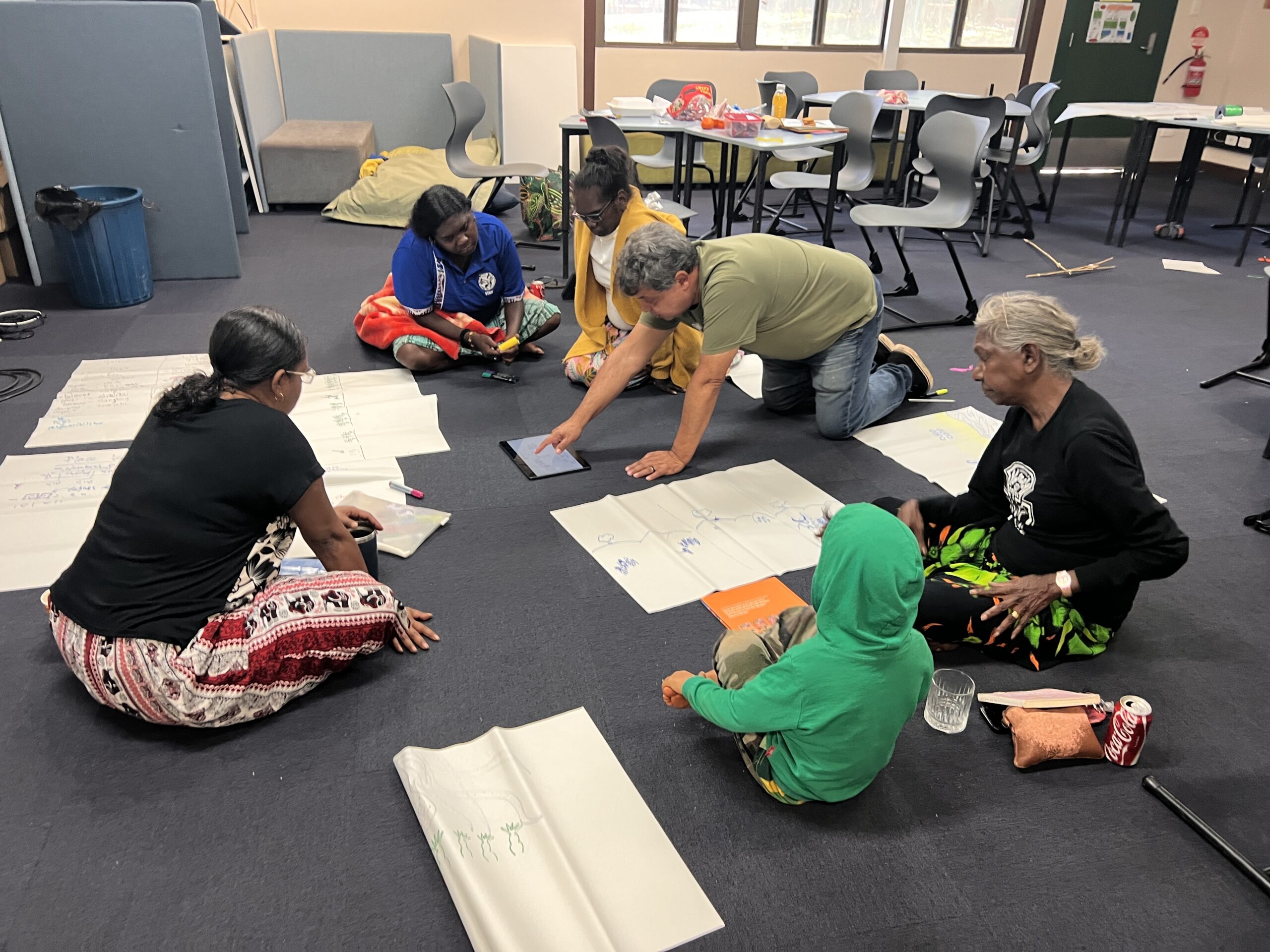
Photo: Kym Oakley, ATSIMA, 2026
“
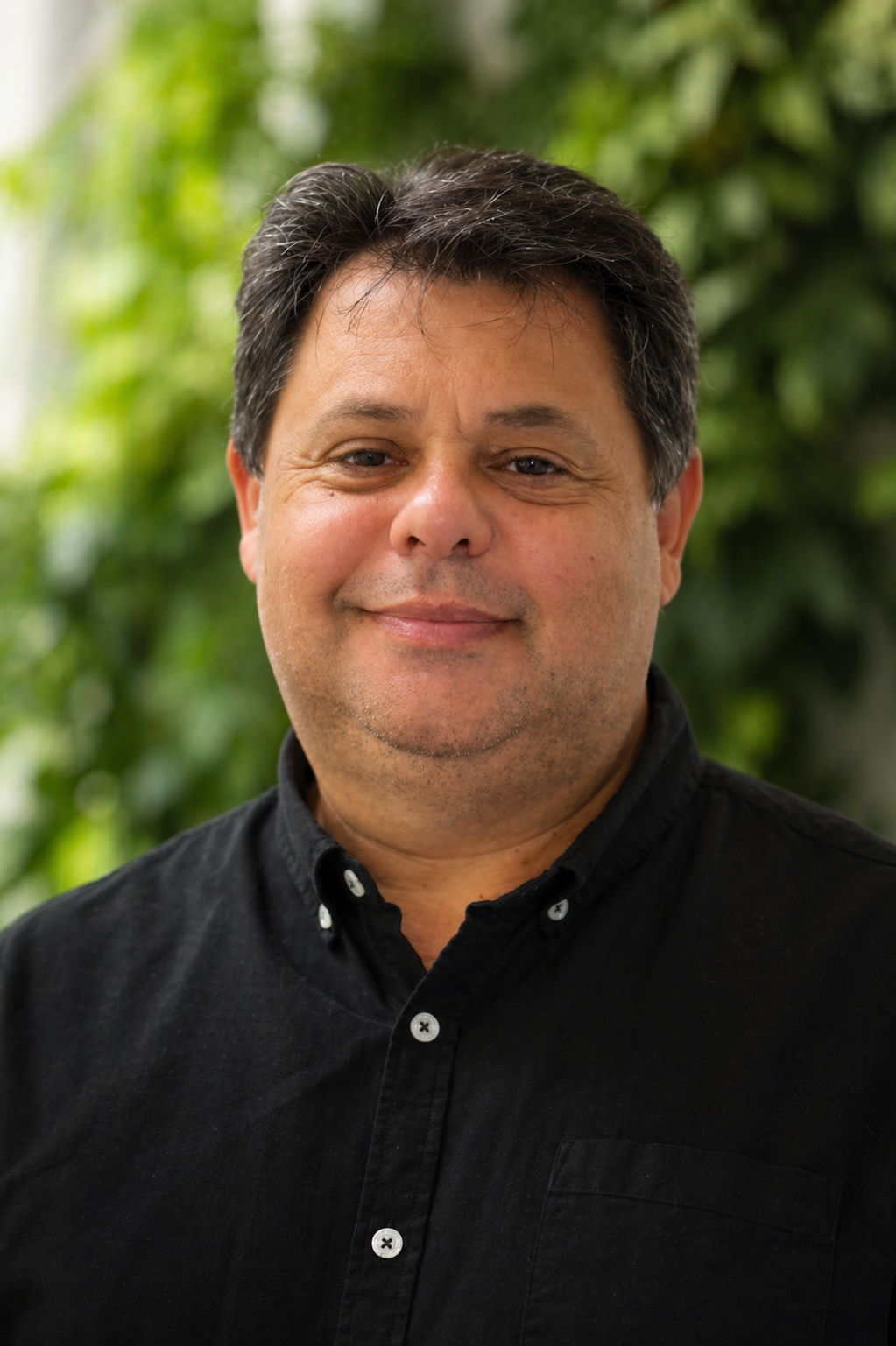
The moment I knew something was working was when students started wandering in, curious, while we were mapping lessons out. They could see their own kinship systems on the whiteboard and wanted to know how it all fit together. Teachers are now putting their hand up to try it out between visits. When learning comes from community, people lean in.
Prof. Chris Matthews
How Culture Counts works
Co-designed with community
Working alongside Elders, Indigenous educators and school staff, Culture Counts co-designs mathematics learning grounded in local cultural knowledge, including teaching algebra through kinship systems.
Led by community
Communities lead the design of curriculum and lessons, and hold cultural authority throughout. The aim is learning that is culturally strong, conceptually rigorous and aligned with curriculum expectations.
Made for real classrooms
Culture Counts is designed for the everyday realities of school life, from timetables and staffing to available resources, while keeping culture at the centre through community priorities and on-Country learning.
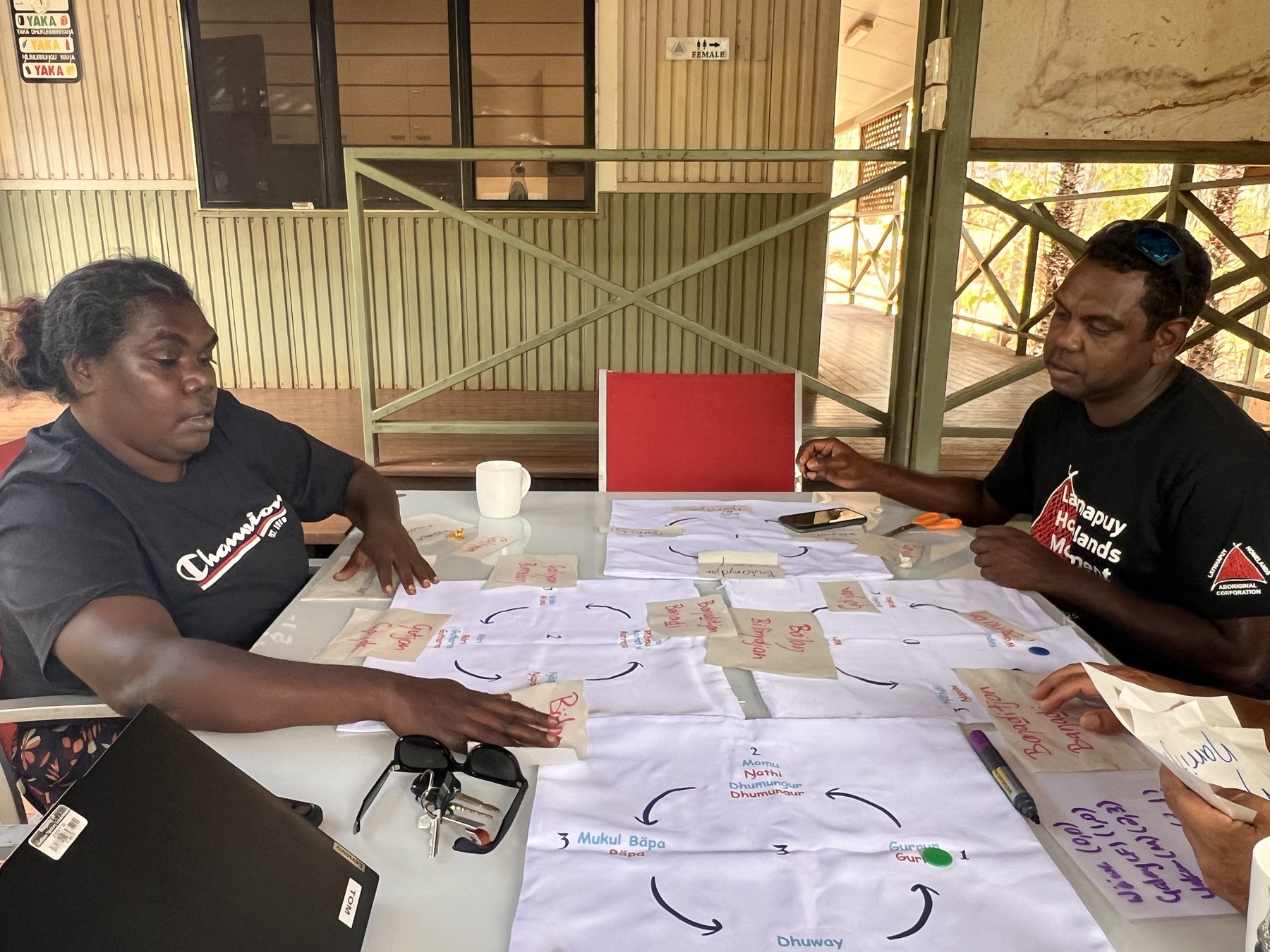
Photo: Kym Oakley, ATSIMA, 2026
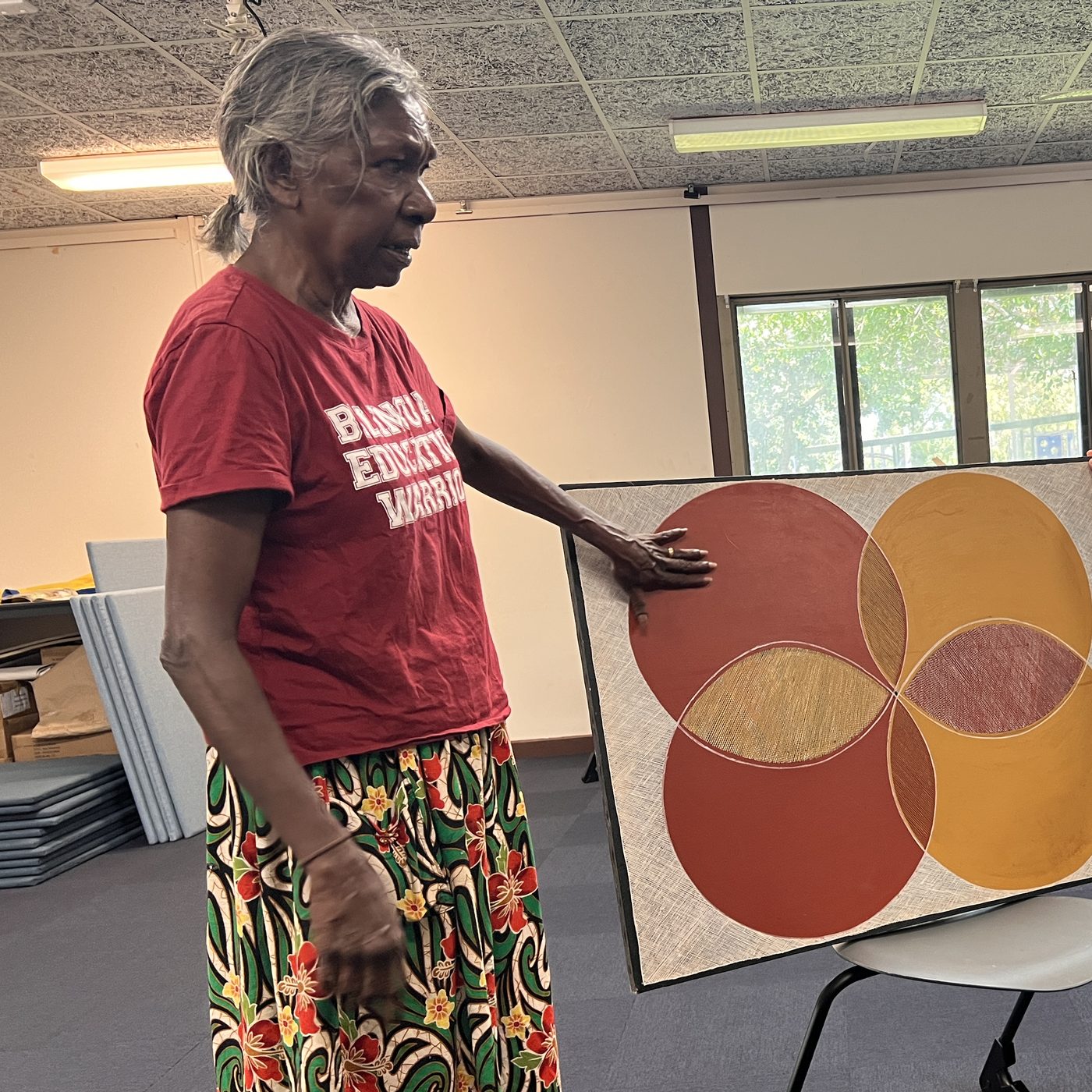
Photo: Kym Oakley, ATSIMA, 2026
Our partner schools
Independent evaluation
The project is being independently evaluated by the University of Queensland (UQ), so that what is learned can inform teachers, schools, communities and future investment.
By capturing what works, for whom and in what conditions, the evaluation helps build a stronger evidence base for culturally grounded mathematics, and shows how the approach could be shared with more schools and communities over time.
FUNDED BY